
Introduction
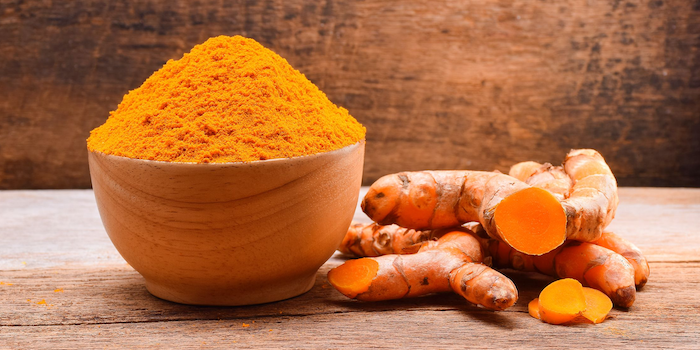
Turmeric, known for its vibrant yellow color and earthy, slightly bitter taste, has been a staple in South Asian cuisine and traditional medicine for centuries. Often called the “golden spice,” turmeric comes from the root of the Curcuma longa plant. Its health-promoting properties are largely attributed to curcumin, its active ingredient. In recent years, scientific research has spotlighted turmeric’s remarkable health benefits, making it a popular supplement worldwide.
In this article, we explore the scientifically backed benefits of turmeric and its curcumin content, and how it can play a role in enhancing overall health.
1. Anti-Inflammatory Properties
Chronic inflammation is linked to many diseases, including heart disease, cancer, and neurodegenerative conditions. While inflammation is a necessary response to infection or injury, excessive or prolonged inflammation can be harmful. Curcumin in turmeric is a powerful anti-inflammatory compound that can suppress molecules in the body responsible for inflammation, such as NF-κB and various cytokines.
Studies have found that curcumin’s anti-inflammatory effects are so potent that they can rival certain pharmaceutical anti-inflammatory drugs, without many of the side effects.
2. Rich in Antioxidants
Oxidative stress is a leading factor in aging and many chronic diseases, as it results from free radicals damaging cells. Antioxidants help to neutralize these free radicals, protecting the body from damage. Turmeric is rich in antioxidants, particularly curcumin, which scavenges free radicals, boosts the activity of the body’s own antioxidant enzymes, and inhibits oxidative damage to cells.
By helping reduce oxidative stress, turmeric may contribute to slowing down the aging process and reducing the risk of age-related diseases.
3. Improves Brain Function and Lowers Risk of Neurodegenerative Diseases
Curcumin has been shown to increase brain levels of brain-derived neurotrophic factor (BDNF), a growth hormone that functions in brain health. Low levels of BDNF have been linked to brain disorders such as Alzheimer’s disease and depression. By boosting levels of BDNF, curcumin may help delay or reverse age-related decreases in brain function and lower the risk of neurodegenerative diseases.
Additionally, curcumin may also help clear the amyloid plaques that are associated with Alzheimer’s disease.
4. Supports Joint Health
Due to its potent anti-inflammatory effects, turmeric is often used as a natural remedy for joint pain and stiffness, particularly for people suffering from arthritis. Multiple studies have shown that curcumin can help reduce the symptoms of osteoarthritis and rheumatoid arthritis, and some have suggested that it may be as effective as anti-inflammatory medications.
Supplementing with turmeric can reduce joint pain and improve overall joint function without causing gastrointestinal side effects commonly associated with some pain-relief medications.
5. Enhances Heart Health
Heart disease is the leading cause of death worldwide, and curcumin has been studied for its potential to improve heart health. It works through several mechanisms, including improving endothelial function, which is the lining of blood vessels. Endothelial dysfunction is a major contributor to heart disease, as it can impair the regulation of blood pressure and blood clotting.
Furthermore, curcumin has been shown to reduce inflammation and oxidation, both of which play a role in heart disease. Some studies have even suggested that curcumin supplementation may be as effective as exercise in improving endothelial function.
6. Aids Digestion
Turmeric has long been used as a remedy for digestive issues in traditional Ayurvedic medicine. It can help stimulate bile production, aiding in digestion and supporting liver function. Curcumin also has the ability to soothe digestive inflammation, making it beneficial for people suffering from conditions like irritable bowel syndrome (IBS) or inflammatory bowel disease (IBD).
Additionally, turmeric may help alleviate indigestion and bloating by reducing the production of gas in the digestive tract.
7. May Help Prevent and Treat Cancer
Emerging research suggests that curcumin may have anti-cancer properties. Studies have shown that curcumin can contribute to the death of cancerous cells and reduce angiogenesis (the formation of new blood vessels in tumors) and metastasis (the spread of cancer). While more research is needed to fully understand its effects, curcumin has shown promise in the prevention and treatment of several types of cancer, including breast, colorectal, and pancreatic cancer.
Curcumin’s ability to suppress the proliferation of cancer cells, combined with its anti-inflammatory and antioxidant properties, makes it an intriguing candidate for future cancer therapies.
8. Boosts Immune System
Turmeric’s antimicrobial, antioxidant, and anti-inflammatory properties contribute to a stronger immune system. Consuming turmeric regularly can help the body fight off bacteria and viruses more effectively. Curcumin has also been shown to modulate immune responses, making it a valuable addition to daily routines, particularly for individuals with weakened immune systems.
9. Promotes Healthy Skin
Turmeric’s anti-inflammatory, antimicrobial, and antioxidant properties make it a popular ingredient in skincare. It can help reduce acne, soothe skin irritation, and even promote a more radiant complexion. Curcumin has been shown to reduce wound healing time and alleviate the symptoms of various skin conditions, including psoriasis and eczema.
How to Incorporate Turmeric Into Your Diet
Adding turmeric to your daily routine is relatively easy. Here are some simple ways to include turmeric in your diet:
- Turmeric tea or golden milk: A soothing blend of turmeric, milk (or plant-based alternatives), and spices.
- Smoothies: Add a teaspoon of turmeric to your morning smoothie for an antioxidant boost.
- Curries and soups: Incorporate turmeric into recipes for an authentic flavor and health kick.
- Supplements: Curcumin supplements are widely available for those seeking concentrated doses of the compound.
Conclusion
Turmeric is a versatile and powerful spice that offers a range of health benefits, from reducing inflammation to supporting brain and heart health. Whether consumed in food, as a supplement, or applied topically, turmeric can be a valuable addition to your health and wellness regimen. However, it’s important to consult a healthcare professional before starting any supplement, especially if you are on medication, as turmeric can interact with certain drugs.
By incorporating turmeric into your daily life, you can tap into the centuries-old wisdom of traditional medicine and enhance your overall well-being naturally.