

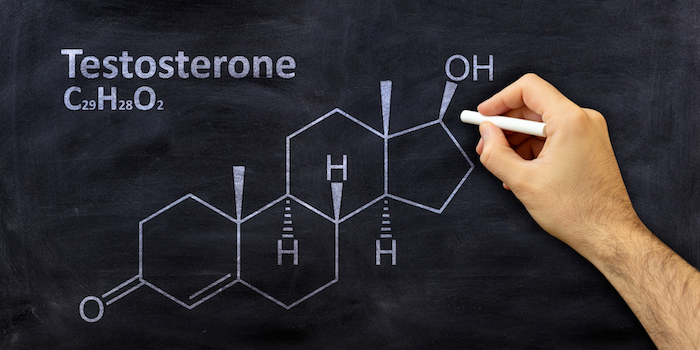
Testosterone Replacement Therapy (TRT) has become a widely discussed and utilized treatment option for men with low testosterone levels, also known as hypogonadism. Testosterone is the primary male sex hormone, responsible for numerous critical functions in the body, ranging from muscle and bone development to sexual function and mood regulation. As men age, or in certain medical conditions, testosterone levels naturally decline, leading to various physical, emotional, and mental symptoms. TRT is designed to restore optimal testosterone levels, addressing these issues and improving quality of life. This article explores the detailed benefits and possible risks of TRT, outlining how it can have a transformative impact on a man’s overall health and well-being.
1. Improved Muscle Mass, Strength, and Physical Performance
One of the most noticeable effects of declining testosterone levels is the loss of muscle mass and strength. Testosterone is a key regulator of muscle protein synthesis, the process that enables muscles to repair and grow after physical activity. Low testosterone can result in muscle atrophy, fatigue, and reduced exercise performance. TRT can significantly reverse these effects.
By restoring testosterone levels to a healthy range, TRT promotes the rebuilding of lean muscle mass. Men on TRT often experience faster muscle recovery after workouts, increased endurance, and greater overall physical strength. This enhanced muscle-building ability not only improves body composition but also has functional benefits, helping men maintain mobility, posture, and independence as they age. Moreover, many athletes and fitness enthusiasts turn to TRT to enhance their workout performance, improve athletic capabilities, and reach fitness goals that may otherwise seem unattainable with declining testosterone levels.
2. Increased Bone Density and Joint Health
Testosterone plays an essential role in bone mineral density. As men age and testosterone production diminishes, bone density can decrease, making bones more fragile and susceptible to fractures. Osteoporosis, a condition where bones become brittle, is often seen in older men with low testosterone. Weak bones can lead to fractures, which can be particularly debilitating in older adults, often leading to long recovery times and decreased quality of life.
Testosterone Replacement Therapy can help to increase bone density, restoring bone strength and reducing the risk of osteoporosis. This is particularly important for aging men, who are at a higher risk of fractures. The increase in bone density also contributes to better joint stability and health, leading to fewer joint-related injuries. Strong bones support an active lifestyle, allowing men to engage in physical activities with reduced fear of injury.
3. Enhanced Sexual Function, Libido, and Reproductive Health
Low testosterone often leads to diminished libido and sexual performance, which can significantly affect a man’s quality of life. Testosterone is a critical hormone for sexual desire and erectile function. Men with low testosterone frequently experience a lack of interest in sex (low libido), difficulty achieving or maintaining erections, and a general decline in sexual satisfaction. This can cause emotional distress and impact relationships.
TRT can dramatically improve sexual function in men who suffer from testosterone deficiency. Restoring testosterone levels can enhance libido, improve erectile function, and increase overall sexual satisfaction. Many men on TRT report a renewed interest in sex and an ability to perform better sexually. For men dealing with erectile dysfunction linked to low testosterone, TRT can provide a non-invasive solution that improves both physical and psychological aspects of sexual health.
In addition to enhancing libido and performance, TRT may also improve sperm production and overall reproductive health in men who are trying to conceive, though this should be managed carefully with a specialist if fertility is a priority, as TRT can sometimes suppress sperm production.
4. Improved Mood, Emotional Stability, and Mental Health
Low testosterone levels are often associated with negative mood changes such as irritability, depression, anxiety, and a general sense of feeling “off.” Testosterone is known to influence mood regulation by impacting neurotransmitters in the brain, such as serotonin and dopamine. Men with low testosterone may feel fatigued, emotionally flat, or more prone to mood swings, which can affect relationships, work performance, and overall happiness.
TRT has been shown to improve emotional well-being and stabilize mood. Men who undergo TRT often report a noticeable improvement in their mood, with reduced symptoms of depression and anxiety. Some studies have shown that men with low testosterone who receive TRT have a reduced risk of developing clinical depression, particularly in older age. Increased testosterone levels may also contribute to better stress management and emotional resilience. Overall, the mental clarity, increased motivation, and emotional balance provided by TRT can lead to a significant improvement in quality of life.
5. Increased Energy and Reduction in Fatigue
A common symptom of low testosterone is persistent fatigue. Men with low testosterone often experience low energy levels despite adequate sleep, making it difficult to stay active, motivated, or engaged in daily activities. This fatigue can contribute to a vicious cycle of inactivity, weight gain, and declining health, further exacerbating low energy levels.
Testosterone Replacement Therapy helps to restore normal energy levels by increasing testosterone’s role in metabolic processes. Many men on TRT report a significant reduction in daytime fatigue, better stamina throughout the day, and improved overall vitality. Increased energy not only enhances physical activity but also improves mental sharpness and focus, allowing men to be more productive and engaged in their personal and professional lives.
6. Improved Cardiovascular Health and Metabolic Function
Testosterone has a close relationship with heart health and metabolic function. Low testosterone levels have been linked to an increased risk of cardiovascular diseases, including heart disease, high blood pressure, and unhealthy cholesterol levels. Additionally, low testosterone often contributes to weight gain, especially visceral fat around the abdomen, which is a known risk factor for metabolic disorders such as type 2 diabetes.
While the relationship between testosterone and heart health is complex and requires more research, some studies suggest that TRT can have beneficial effects on cardiovascular health by improving cholesterol profiles, lowering bad cholesterol (LDL), and increasing good cholesterol (HDL). TRT may also improve blood circulation and endothelial function, both of which are important for heart health. By improving metabolic function and reducing body fat, TRT may lower the risk of obesity and diabetes, creating a healthier long-term prognosis for men with low testosterone.
7. Better Fat Metabolism and Weight Management
One of the major physical challenges men face with low testosterone is an increase in body fat, particularly around the midsection. Testosterone is essential for regulating fat distribution and metabolism. When testosterone levels drop, the body is more likely to store fat, leading to weight gain and difficulty losing fat. This accumulation of fat, especially visceral fat around vital organs, is associated with a higher risk of heart disease, diabetes, and other metabolic disorders.
TRT helps improve fat metabolism by increasing muscle mass, which boosts the body’s resting metabolic rate (RMR). This means that men on TRT can burn more calories throughout the day, even when at rest. By reducing body fat and increasing lean muscle mass, TRT can lead to a healthier body composition, improved metabolic function, and better weight management outcomes.
8. Cognitive Function, Memory, and Mental Sharpness
Testosterone plays an important role in maintaining cognitive function and brain health. Research has shown that testosterone levels influence cognitive abilities, particularly in areas such as memory, spatial awareness, and decision-making. Men with low testosterone often report difficulty with memory, focus, and mental sharpness, which can interfere with daily tasks and long-term productivity.
TRT has been associated with improvements in cognitive function, particularly in older men who may be at risk for cognitive decline or dementia. By restoring testosterone to optimal levels, men on TRT often experience enhanced mental clarity, improved memory recall, and better problem-solving abilities. Some studies suggest that TRT may even reduce the risk of developing neurodegenerative conditions like Alzheimer’s disease, though more research is needed in this area.
9. Increased Confidence and Enhanced Quality of Life
For many men, the physical and emotional challenges of low testosterone can lead to a loss of self-esteem and confidence. Low energy, poor sexual performance, weight gain, and emotional instability can take a toll on how a man views himself and interacts with others. TRT can have a profound impact on self-confidence by restoring vitality, strength, and a sense of masculinity.
Many men report feeling more youthful, energetic, and capable after starting TRT. The improvements in physical appearance, muscle tone, sexual performance, and mental health can lead to increased confidence, which often positively impacts relationships, career success, and overall life satisfaction.
The Potential Downsides of Testosterone Replacement Therapy
Testosterone Replacement Therapy (TRT) has gained popularity as an effective treatment for men experiencing low testosterone levels, or hypogonadism. It offers a range of benefits, such as improved muscle mass, enhanced sexual function, and better mood. However, as with any medical treatment, TRT comes with potential downsides and risks that should be considered carefully before starting therapy. Below, we explore the possible negative effects, complications, and concerns associated with TRT.
1. Cardiovascular Risks
One of the most significant concerns regarding TRT is its potential impact on heart health. Some studies have suggested that TRT may increase the risk of cardiovascular events such as heart attacks, strokes, and blood clots. This risk is particularly pronounced in older men or those with pre-existing cardiovascular conditions. Testosterone can increase the production of red blood cells, which thickens the blood and may raise the risk of blood clots that can lead to life-threatening complications like deep vein thrombosis (DVT) or pulmonary embolism.
Additionally, there have been concerns that TRT may cause changes in cholesterol levels, potentially increasing LDL (bad cholesterol) and lowering HDL (good cholesterol). These changes could contribute to the development of atherosclerosis (hardening of the arteries) over time.
While research is still ongoing, and some studies suggest that TRT might actually improve cardiovascular outcomes in certain populations, it is crucial for men considering TRT to discuss these potential risks with their healthcare providers, especially if they have a history of heart disease.
2. Testicular Shrinkage and Fertility Issues
One of the lesser-known effects of TRT is its impact on the body’s natural production of testosterone. When exogenous testosterone is introduced into the body, it signals the brain to stop producing its own testosterone. Over time, this suppression can lead to testicular shrinkage and reduced sperm production. For men who are considering starting a family, TRT can significantly impair fertility, leading to challenges in conceiving naturally.
In some cases, this suppression of sperm production can be reversible once TRT is discontinued, but it can take months or even years for fertility to return to normal. Men concerned about their reproductive health should discuss alternative treatments or fertility preservation strategies, such as sperm banking, before beginning TRT.
3. Hormonal Imbalance and Side Effects
While TRT aims to restore testosterone levels to a normal range, the body’s hormonal balance is complex, and introducing testosterone can have ripple effects on other hormones. One common issue is an increase in estrogen levels. As testosterone is metabolized in the body, a portion is converted to estrogen through a process called aromatization. Elevated estrogen levels can lead to a variety of side effects, including:
- Gynecomastia: Enlargement of the breast tissue in men, which can cause discomfort and self-consciousness.
- Water Retention: TRT can lead to fluid retention, which may cause bloating, swelling, and weight gain.
- Mood Swings: Hormonal fluctuations, including elevated estrogen, can contribute to emotional instability, mood swings, and irritability.
To manage these side effects, some men may need to take additional medications, such as aromatase inhibitors, to reduce estrogen levels. However, balancing testosterone and estrogen levels can be challenging and may require ongoing monitoring and adjustments to the treatment plan.
4. Sleep Apnea and Respiratory Problems
Testosterone can exacerbate or trigger obstructive sleep apnea, a condition where breathing stops and starts repeatedly during sleep. Sleep apnea is more common in men and can cause significant disruptions to sleep quality, leading to daytime fatigue, poor concentration, and an increased risk of cardiovascular problems. For men who already have sleep apnea, TRT can worsen the condition by increasing airway resistance.
Men with a history of sleep apnea or breathing problems should be evaluated carefully before starting TRT. In some cases, TRT may need to be discontinued if sleep apnea becomes severe, or additional treatments may be required to manage the condition.
5. Prostate Health Concerns
Testosterone has long been associated with prostate health, and there has been concern that TRT could increase the risk of prostate cancer or accelerate the growth of existing prostate cancer. Testosterone stimulates prostate cell growth, and higher levels of testosterone may contribute to an enlarged prostate (benign prostatic hyperplasia or BPH), which can lead to urinary symptoms such as difficulty starting urination, weak urine flow, and frequent nighttime urination.
Although there is no definitive evidence that TRT causes prostate cancer, men with a history of prostate cancer or elevated prostate-specific antigen (PSA) levels are typically monitored closely if they are undergoing TRT. Regular prostate exams and PSA tests are essential for men on TRT to detect any potential issues early.
6. Skin Issues and Acne
Another common side effect of TRT is skin-related issues, particularly acne. Testosterone increases the production of sebum (skin oil), which can clog pores and lead to the development of acne, especially on the back, shoulders, and face. This can be particularly troubling for men who are prone to acne or have sensitive skin. In some cases, TRT can also cause oily skin and exacerbate pre-existing skin conditions.
Additionally, testosterone can stimulate hair growth, which may cause issues such as increased body or facial hair, as well as male pattern baldness in men who are genetically predisposed to it.
7. Emotional and Behavioral Changes
Testosterone is closely linked to mood and behavior, and fluctuations in testosterone levels can lead to emotional and psychological changes. While TRT can help alleviate symptoms of depression, fatigue, and irritability in men with low testosterone, it can also cause mood swings, increased aggression, or irritability in some individuals. This phenomenon, sometimes referred to as “roid rage” in the context of anabolic steroid abuse, can also occur in men undergoing TRT if their testosterone levels become too elevated.
Monitoring hormone levels and adjusting doses as necessary is important to minimize the risk of mood disturbances. Men who experience significant emotional or behavioral changes on TRT should seek advice from their healthcare provider, as a dosage adjustment or alternative treatment may be needed.
8. Long-Term Dependency and Hormonal Suppression
Once a man begins TRT, there is a possibility of becoming dependent on the therapy to maintain normal testosterone levels. This is because the body’s natural production of testosterone is suppressed while exogenous testosterone is being administered. As a result, stopping TRT abruptly can lead to a significant drop in testosterone levels, resulting in symptoms of hypogonadism such as fatigue, low libido, and mood changes.
For men considering TRT, it is important to understand that this therapy may need to be continued long-term to maintain its benefits. The decision to discontinue TRT should be made with medical guidance, as tapering off the therapy can help minimize withdrawal symptoms and support the recovery of natural testosterone production.
9. Cost and Maintenance
TRT is a lifelong treatment for most men, meaning the costs can add up over time. The price of TRT can vary depending on the type of testosterone used (injections, gels, patches, etc.) and whether insurance covers the therapy. Additionally, regular doctor visits, blood tests, and monitoring are required to ensure that testosterone levels are balanced and to detect any side effects or complications early. These ongoing medical expenses can be burdensome for some individuals.
10. Unregulated Use and Misuse
TRT should only be prescribed to men who have been clinically diagnosed with low testosterone levels. However, there is a growing trend of men seeking testosterone therapy for reasons beyond medical necessity, such as enhancing athletic performance or improving physical appearance. When testosterone is used without medical supervision, the risk of side effects and long-term harm increases dramatically.
Misuse of testosterone can lead to dangerously high levels of the hormone, which can result in severe cardiovascular problems, liver damage, and psychiatric disorders. Men should only use TRT under the supervision of a qualified healthcare provider to minimize risks and ensure safe and effective treatment.
Should You?
Testosterone Replacement Therapy offers a wide range of potential benefits for men with low testosterone levels, addressing everything from physical health and sexual function to mental clarity and emotional well-being. While the benefits of TRT are well-documented, it is important to note that TRT is not a one-size-fits-all solution. The decision to start TRT should be made in consultation with a healthcare provider, and treatment should be tailored to each individual’s unique needs and monitored closely to minimize risks. For men experiencing the negative effects of low testosterone, TRT can provide a renewed sense of vitality, energy, and confidence, helping them live healthier, more fulfilling lives.