


Ashwagandha, scientifically known as Withania somnifera, has become one of the most widely discussed herbal supplements in the modern wellness and fitness industries. Marketed as a stress reliever, testosterone booster, cognitive enhancer, sleep aid, and anti-aging compound, Ashwagandha has achieved near “miracle supplement” status on social media and in commercial advertising. However, the growing popularity of the herb raises an important scientific question: does Ashwagandha genuinely produce measurable physiological benefits, or is much of its reputation driven by hype and placebo effects?
Ashwagandha has been used for more than 3,000 years in Ayurvedic medicine, where it is classified as a “Rasayana,” a category of compounds believed to promote vitality, longevity, and resistance to stress. Modern scientific research has increasingly focused on its biologically active compounds, particularly steroidal lactones called withanolides, which appear to influence multiple systems within the human body.
Unlike many supplements that target a single receptor or biochemical pathway, Ashwagandha appears to exert broad regulatory effects on neuroendocrine signaling, inflammation, oxidative stress, and neurotransmitter activity. This has led researchers to classify it as an “adaptogen,” meaning a substance that may help the body adapt to physiological and psychological stressors.
Although hundreds of commercial products now contain Ashwagandha extracts, the quality of scientific evidence varies considerably depending on the health claim being examined. Some proposed benefits are supported by randomized controlled trials, while others rely primarily on animal models, cell culture studies, or exaggerated interpretations of preliminary data.
Mechanism of Action: How Ashwagandha Works
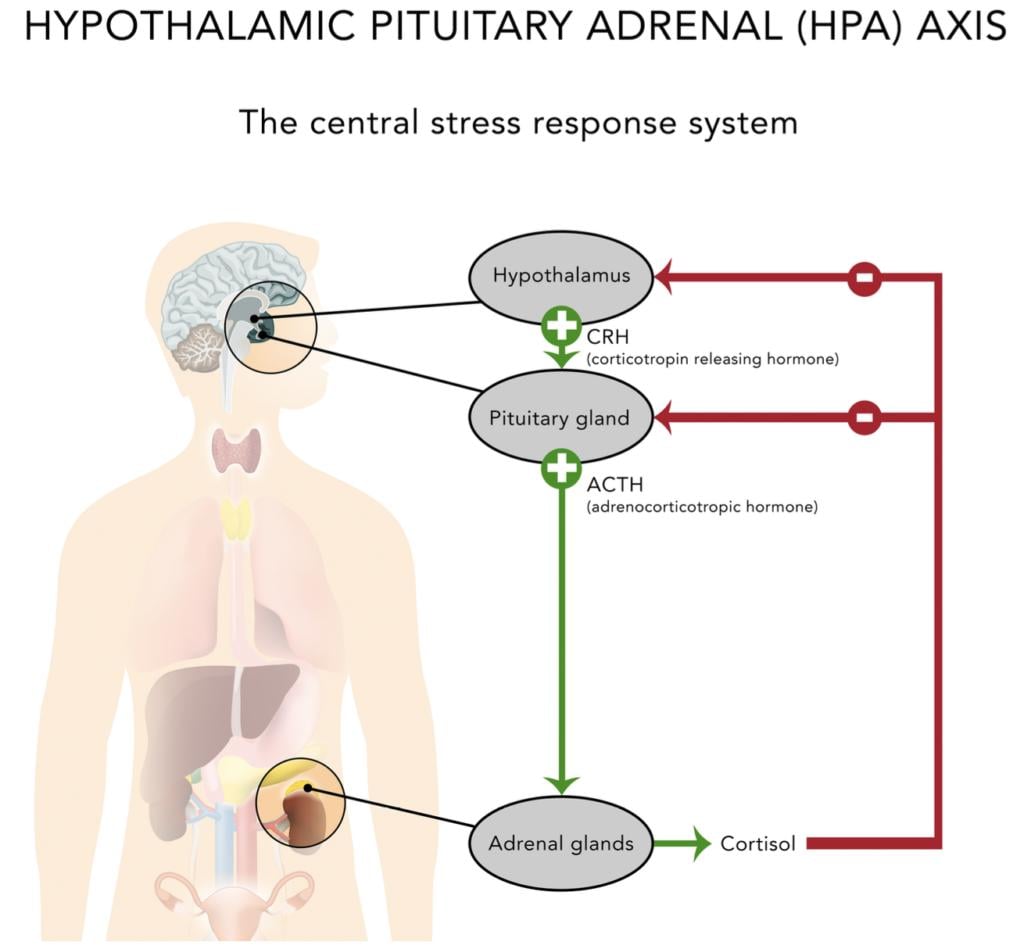
The most scientifically supported effect of Ashwagandha involves regulation of the hypothalamic-pituitary-adrenal (HPA) axis, the body’s primary stress-response system. During chronic stress, the hypothalamus stimulates the release of corticotropin-releasing hormone (CRH), which triggers adrenocorticotropic hormone (ACTH) release from the pituitary gland. ACTH subsequently stimulates the adrenal glands to produce cortisol.
Cortisol is essential for survival during acute stress, but chronically elevated cortisol levels are associated with anxiety, poor sleep, muscle breakdown, insulin resistance, abdominal obesity, and impaired immune function. Several human clinical trials suggest that Ashwagandha may reduce excessive cortisol production and normalize stress signaling pathways.
One of the most cited placebo-controlled studies demonstrated that participants receiving standardized Ashwagandha extract experienced approximately 27–30% reductions in cortisol levels alongside significant improvements in stress and anxiety scores. These findings suggest that Ashwagandha is not acting solely through placebo effects but instead exerts measurable neuroendocrine activity.
Researchers also believe Ashwagandha influences neurotransmitter systems, particularly gamma-aminobutyric acid (GABA). GABA is the brain’s primary inhibitory neurotransmitter and plays a critical role in reducing neuronal excitability and anxiety. Animal studies indicate Ashwagandha may possess GABA-mimetic properties, potentially explaining its calming and sleep-supportive effects.
In addition, withanolides demonstrate antioxidant and anti-inflammatory activity through inhibition of inflammatory signaling pathways such as nuclear factor-kappa B (NF-kB). This mechanism may contribute to observed improvements in recovery, neuroprotection, and cellular resilience.
Stress, Anxiety, and Sleep
Among all proposed benefits, the evidence supporting Ashwagandha for stress reduction is currently the strongest. Multiple randomized controlled trials and meta-analyses report statistically significant reductions in perceived stress and anxiety symptoms compared with placebo.
Participants commonly report improvements in:
- Emotional resilience
- Sleep quality
- Fatigue
- Mental clarity
- Anxiety symptoms
Importantly, Ashwagandha does not appear to function like pharmaceutical sedatives or benzodiazepines. Instead, its effects are thought to arise primarily from normalization of stress physiology rather than direct sedation.
This distinction may explain why many users report improved sleep quality without severe daytime drowsiness. Clinical studies examining insomnia and sleep disturbances suggest Ashwagandha may improve sleep onset latency, total sleep time, and sleep efficiency, particularly in individuals experiencing chronic stress or anxiety-related sleep problems.
However, it is important to recognize the limitations of the evidence. Most studies involve relatively small sample sizes and short durations, often ranging between 6 and 12 weeks. Additionally, many studies are funded by supplement manufacturers, increasing the possibility of publication bias.
Nevertheless, the consistency of findings across multiple studies suggests that Ashwagandha likely possesses genuine anxiolytic and stress-modulating properties.
Exercise Performance and Testosterone Claims
Ashwagandha has become especially popular within fitness and bodybuilding communities, where it is frequently marketed as a natural anabolic compound capable of dramatically increasing testosterone and muscle growth. While some evidence supports modest benefits in exercise recovery and strength performance, many commercial claims substantially exaggerate the scientific data.
Several studies involving resistance-trained individuals have reported improvements in:
- Strength output
- Recovery
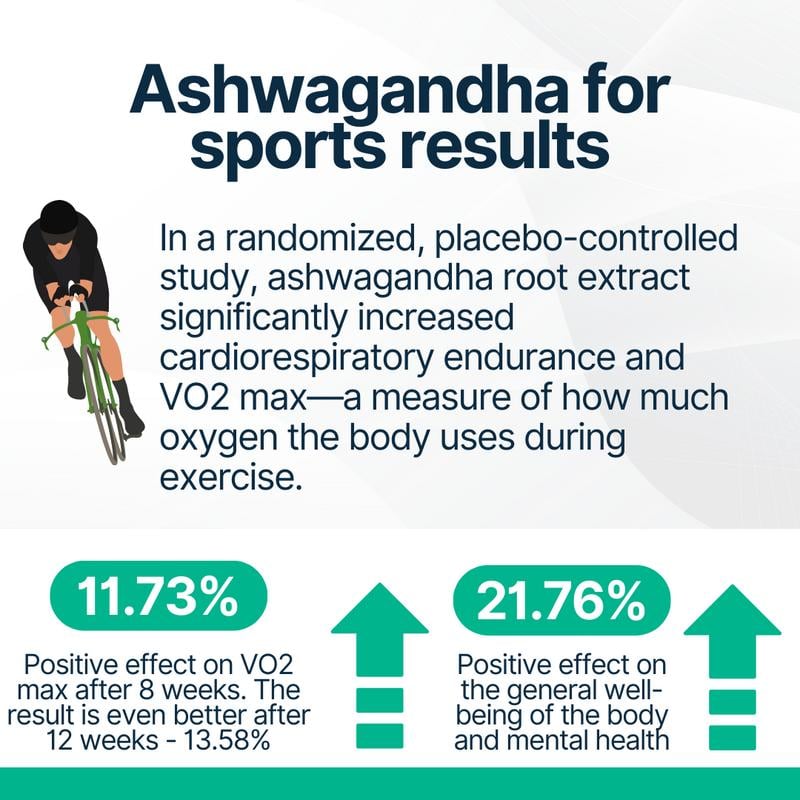
- VO2 max
- Muscle adaptation
- Exercise-induced fatigue
One placebo-controlled study found that participants supplementing with Ashwagandha during resistance training achieved greater increases in muscle size and strength than placebo groups. Researchers speculate these effects may result from reduced cortisol-mediated muscle breakdown, improved recovery capacity, and reductions in oxidative stress.
However, the observed effects are relatively modest compared with pharmaceutical anabolic agents. Ashwagandha does not function like testosterone replacement therapy or anabolic steroids.
Claims regarding testosterone enhancement are similarly overstated online. Some studies demonstrate mild increases in testosterone levels, particularly in stressed, infertile, or metabolically compromised men. However, effects in healthy young males are inconsistent and generally small.
Research examining male fertility is somewhat more promising. Studies involving infertile men have reported improvements in sperm count, sperm motility, and semen quality. These effects are believed to stem from reduced oxidative stress and improved hormonal regulation rather than direct androgenic stimulation.
Overall, the current evidence suggests Ashwagandha may modestly support athletic recovery and reproductive health, but claims of dramatic anabolic transformation are not supported by rigorous scientific evidence.
Cognitive Effects and Neuroprotection
Ashwagandha is also frequently promoted as a nootropic or “brain-boosting” supplement. Emerging evidence suggests the herb may possess neuroprotective properties through several mechanisms, including antioxidant activity, anti-inflammatory signaling, and mitochondrial protection.
Animal studies demonstrate potential benefits in experimental models of neurodegenerative disorders such as Alzheimer’s disease and Parkinson’s disease. Researchers have observed reductions in oxidative damage, preservation of neuronal structure, and enhanced neurite growth in laboratory settings.
Human evidence, however, remains limited. Some clinical studies report modest improvements in memory, attention, reaction time, and executive functioning. It remains unclear whether these benefits arise from direct neurological effects or secondary improvements in stress reduction and sleep quality.
At present, the evidence supporting Ashwagandha as a major cognitive enhancer is preliminary and insufficient to justify many of the extreme claims seen in supplement marketing.
Safety Concerns and Potential Risks
Although Ashwagandha is often marketed as a natural and therefore harmless supplement, it is biologically active and capable of producing adverse effects.
Common side effects include:
- Gastrointestinal discomfort
- Nausea
- Diarrhea
- Headache
- Drowsiness
More importantly, emerging evidence suggests Ashwagandha may influence thyroid hormone production. Several case reports indicate that supplementation can increase circulating thyroid hormone levels, which may present risks for individuals with hyperthyroidism or autoimmune thyroid disorders.
Rare cases of liver injury associated with Ashwagandha supplementation have also been reported in the medical literature. Although uncommon, these reports highlight the importance of supplement quality and manufacturing standards. Some adverse reactions may result from contamination, adulteration, or excessive concentrations of active compounds.
Because the supplement industry remains inconsistently regulated, the composition and purity of commercial Ashwagandha products can vary significantly.
The scientific evidence surrounding Ashwagandha suggests that the herb is neither a miracle cure nor a meaningless placebo. Ashwagandha appears to possess legitimate pharmacological activity, particularly in relation to stress regulation, cortisol reduction, and mild improvements in anxiety and sleep quality.
Evidence supporting exercise recovery and fertility benefits is moderately promising, although considerably weaker than many commercial advertisements suggest. Claims regarding dramatic testosterone enhancement, major muscle growth, anti-aging effects, or profound cognitive transformation remain largely overstated.
Like many supplements, the truth lies somewhere between skepticism and hype. Ashwagandha may provide meaningful benefits for some individuals, especially those experiencing chronic stress or poor sleep, but it should not be viewed as a substitute for evidence-based medical treatment or healthy lifestyle practices.
Future large-scale, long-term clinical trials are still needed to determine the full therapeutic potential, optimal dosing strategies, and long-term safety profile of Ashwagandha supplementation.
References
- Chandrasekhar K, Kapoor J, Anishetty S. A prospective, randomized double-blind, placebo-controlled study of safety and efficacy of a high-concentration full-spectrum extract of Ashwagandha root in reducing stress and anxiety in adults. Indian J Psychol Med. 2012.
- Lopresti AL, Smith SJ, Malvi H, Kodgule R. An investigation into the stress-relieving and pharmacological actions of an Ashwagandha extract. Medicine (Baltimore). 2019.
- Wankhede S, Langade D, Joshi K, et al. Examining the effect of Withania somnifera supplementation on muscle strength and recovery. J Int Soc Sports Nutr. 2015.
- Pratte MA, Nanavati KB, Young V, Morley CP. An alternative treatment for anxiety: a systematic review of human trial results reported for the Ayurvedic herb Ashwagandha. J Altern Complement Med. 2014.
- Langade D, Kanchi S, Salve J, Debnath K, Ambegaokar D. Clinical evaluation of the safety and efficacy of Ashwagandha root extract in improving sleep quality. Cureus. 2019.
- Tandon N, Yadav SS. Contributions of Indian Council of Medical Research in medicinal plants/ traditional medicine. J Ethnopharmacol. 2017.
- Pérez-Gómez A, et al. Liver injury associated with Ashwagandha supplementation. Clinical Gastroenterology Reports. 2023.