


In the world of fitness and nutrition, protein supplementation has become a cornerstone for anyone looking to improve muscle mass, enhance recovery, or simply boost overall health. Among the myriad protein supplements available on the market, whey and casein stand out as two of the most popular and widely consumed options. Both are derived from milk, and while they share some similarities, they have distinctive characteristics that can influence how and when they should be consumed. This article aims to explore the key differences between whey and casein protein, and how each one can serve unique roles depending on your goals, lifestyle, and dietary needs.
Understanding the Source
Before diving into the differences between whey and casein, it is important to first understand their origins. Both whey and casein proteins are derived from cow’s milk. In fact, cow’s milk contains about 80% casein and 20% whey. The process of cheese-making is what typically separates these two proteins. When an enzyme (or sometimes an acid) is added to milk during the cheese-making process, the milk curdles and forms solids, which are largely made up of casein. The liquid that remains is known as whey, which is then processed and turned into the whey protein powder that we often see in supplements.
Despite coming from the same source, whey and casein behave very differently in the body. The main difference between the two lies in how quickly they are digested and absorbed, as well as their respective impacts on muscle growth and recovery.
Digestion and Absorption Speed
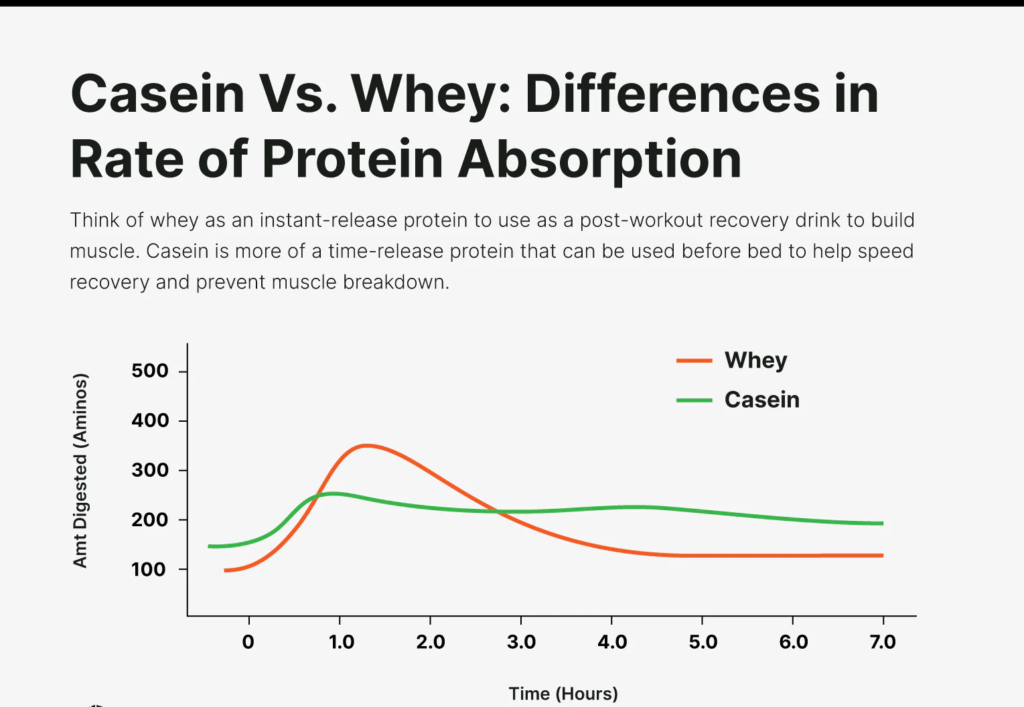
Perhaps the most significant difference between whey and casein protein is the rate at which they are digested and absorbed by the body. Whey protein is known as a “fast-digesting” protein. This means that when consumed, whey is rapidly broken down in the stomach and absorbed into the bloodstream, allowing for a quick influx of amino acids that can be used for muscle repair and growth. Typically, whey protein can be fully digested within 1-2 hours after consumption.
This fast absorption rate makes whey an ideal protein supplement for times when the body is in need of a quick supply of amino acids. The most common time for whey consumption is immediately after a workout. Post-workout is when the body is most primed to absorb nutrients and begin the muscle recovery process, and whey’s rapid absorption helps kickstart this process.
On the other hand, casein protein is classified as a “slow-digesting” protein. When casein is consumed, it forms a gel-like substance in the stomach, which slows down its digestion and results in a slower release of amino acids into the bloodstream. Casein can take anywhere from 6 to 8 hours to be fully digested, making it ideal for times when a sustained release of protein is needed over a longer period of time.
Due to its slow absorption rate, casein is often consumed before bedtime, when the body will be fasting for several hours during sleep. By providing a steady supply of amino acids throughout the night, casein can help prevent muscle breakdown (catabolism) and promote muscle repair.
Protein Quality and Amino Acid Profile
Both whey and casein are considered complete proteins, meaning they contain all nine essential amino acids that the body cannot produce on its own. These amino acids are crucial for various bodily functions, including muscle protein synthesis, immune function, and hormone production.
However, whey protein is particularly rich in branched-chain amino acids (BCAAs), especially leucine, which is one of the most important amino acids for stimulating muscle protein synthesis. This makes whey protein an excellent option for promoting muscle growth and recovery, particularly in the immediate post-workout period when muscle protein breakdown is highest.
Casein, while also containing all essential amino acids, has a lower leucine content compared to whey. However, casein’s slower digestion rate allows for a more prolonged release of amino acids, which can help maintain a positive protein balance over a longer duration. This prolonged release is beneficial for reducing muscle breakdown, particularly during extended periods without food, such as overnight fasting.
Effects on Muscle Growth and Recovery
The differing digestion rates of whey and casein also influence their respective impacts on muscle growth and recovery. Whey protein, due to its fast absorption, is highly effective at promoting rapid increases in muscle protein synthesis, which is essential for muscle repair and growth. Studies have shown that consuming whey protein immediately after a workout can significantly enhance the muscle-building process compared to consuming no protein at all.
Casein, on the other hand, is not as effective at rapidly stimulating muscle protein synthesis due to its slower absorption. However, this does not mean that casein is inferior for muscle growth. Instead, casein excels at preventing muscle protein breakdown. By providing a steady release of amino acids over several hours, casein helps maintain a positive protein balance, which is crucial for long-term muscle maintenance and growth.
In essence, whey protein is best suited for short-term muscle recovery and growth, while casein is ideal for long-term muscle maintenance and preventing muscle breakdown during periods of fasting or prolonged inactivity.
Satiety and Appetite Control
Another notable difference between whey and casein is their effects on satiety, or the feeling of fullness after eating. Casein, due to its slow digestion rate, tends to promote a greater sense of fullness compared to whey. This can make casein a valuable tool for those looking to manage their appetite and control their calorie intake, especially when consumed as a snack between meals or before bedtime.
Whey, being a fast-digesting protein, is less effective at promoting long-term satiety, though it can still help suppress appetite in the short term. For individuals aiming to lose weight or control hunger, casein may be a more effective choice for managing cravings and preventing overeating.
Applications and Timing of Use
When it comes to practical applications, the key difference between whey and casein lies in timing. Whey protein, with its fast absorption rate, is most effective when consumed immediately after a workout or during times when the body needs a quick influx of amino acids, such as first thing in the morning.
Casein, on the other hand, is best consumed before periods of fasting, such as before bed. By providing a slow and steady release of amino acids, casein helps support muscle maintenance and prevent muscle breakdown during overnight fasting. It can also be consumed between meals to promote satiety and reduce hunger cravings.
Many athletes and fitness enthusiasts choose to incorporate both whey and casein into their diets to take advantage of their complementary effects. By using whey protein post-workout and casein before bed, individuals can optimize muscle recovery, growth, and maintenance throughout the day and night.
Lactose Content and Digestibility
While whey and casein are both derived from milk, they differ slightly in terms of lactose content and digestibility. Whey protein, especially whey protein isolate, contains very little lactose and is generally easier to digest for individuals who are lactose intolerant. Whey protein concentrate, however, contains slightly more lactose and may cause digestive discomfort in sensitive individuals.
Casein, on the other hand, contains more lactose than whey protein isolate, making it potentially more difficult for those with lactose intolerance to digest. However, there are lactose-free casein supplements available for those who have difficulty digesting lactose.
Conclusion
Whey and casein proteins are both valuable tools for improving muscle growth, recovery, and overall health, but they differ significantly in their digestion rates, amino acid profiles, and practical applications. Whey protein’s fast absorption makes it ideal for post-workout recovery and promoting rapid muscle protein synthesis, while casein’s slow digestion rate helps maintain muscle mass and prevent catabolism during periods of fasting.
Understanding the unique characteristics of each protein can help you choose the right one for your specific needs and goals. For optimal results, many athletes and fitness enthusiasts incorporate both whey and casein into their routines, using whey for quick recovery and casein for long-term muscle maintenance. Ultimately, whether you choose whey, casein, or a combination of both, incorporating high-quality protein into your diet is key to supporting your fitness and health goals.