
You are using an out of date browser. It may not display this or other websites correctly.
You should upgrade or use an alternative browser.
You should upgrade or use an alternative browser.
Article: Benefits Of Dairy
- Thread starter The Press
- Start date


jgassen15
Active Member
I have always been told by people to drop the milk... but I still drink skim mink every morning with my shake and have my homemade, plain yogurt as a snack. Don't think I will be dropping that anytime soon.
The problem is not in dairy's "bloat" itself, or that it is not a viable source of protein. The problem is that over half the population can't properly digest it, and because of that, it can be abruptive to the absorption of a variety of other minerals and vitamins, in particularly zinc. Improper digestions and gastorintestinal distress can also lead to a rise in cortisol, which in turns lower FGF2 in the brain, potentially resulting in anxiety and depression in the consumer (that's a simplifed version of one of many pathways improper digestion affects neurochemistry). Also, improper digestion can undoubtedly impede performance. After the agricultural evolution, although the AVERAGE lifespan increased as infant mortality and starvation decreased, the health of the average person also took a toll as we relied on a variety of foods that are less nutrient dense and we can't digest as well. Lactose is a tricky saccharide for the human digestive system and choosing not to drink milk, for those I know of, is a conscious, educated decision based on the way it affects performance, the potential detriments to health, and the negative impact it could potentially have on longevity. Am I saying that milk products should be avoided by everyone, absolutely not. They are an affordable, calorie-dense food that can undoubtedly help those who are not so lactose-sensitive to grow. I myself keep some Greek yogurt around to use instead of sour cream in some instances, or if I'm in a rush at breakfast. \The natural cultures in the yogurt usually don't upset my stomach as much as cheese or milk. The point is, the reasons to avoid milk go far beyond the bloat, and if you've never tried training after being completely off dairy for a month, I suggest you at least try it. You may not know how good you actually feel.

GuyverX
Well-known member
The problem is not in dairy's "bloat" itself, or that it is not a viable source of protein. The problem is that over half the population can't properly digest it, and because of that, it can be abruptive to the absorption of a variety of other minerals and vitamins, in particularly zinc. Improper digestions and gastorintestinal distress can also lead to a rise in cortisol, which in turns lower FGF2 in the brain, potentially resulting in anxiety and depression in the consumer (that's a simplifed version of one of many pathways improper digestion affects neurochemistry). Also, improper digestion can undoubtedly impede performance. After the agricultural evolution, although the AVERAGE lifespan increased as infant mortality and starvation decreased, the health of the average person also took a toll as we relied on a variety of foods that are less nutrient dense and we can't digest as well. Lactose is a tricky saccharide for the human digestive system and choosing not to drink milk, for those I know of, is a conscious, educated decision based on the way it affects performance, the potential detriments to health, and the negative impact it could potentially have on longevity. Am I saying that milk products should be avoided by everyone, absolutely not. They are an affordable, calorie-dense food that can undoubtedly help those who are not so lactose-sensitive to grow. I myself keep some Greek yogurt around to use instead of sour cream in some instances, or if I'm in a rush at breakfast. \The natural cultures in the yogurt usually don't upset my stomach as much as cheese or milk. The point is, the reasons to avoid milk go far beyond the bloat, and if you've never tried training after being completely off dairy for a month, I suggest you at least try it. You may not know how good you actually feel.
Excellent point.
If I cannot get it from almond milk, coconut, milk, veggies, or spps it is not happening.
If I so much as look at a dairy product I have a very bad digestive situation.

Longtorso
Member
Then there's the "camp" of us that believes that the garbage we call milk is not worthy of consumption. The amount of antibiotics and hormones used in the industry is staggering, not to mention the base diet of the cattle in question. The comment on the nutritive value of our food is very salient - thanks to Monstanto and industrial farming we've managed to turn our food into genetically modified poison. I love coconut milk, and almond milk is OK. There are plenty of other places to find the same nutrition you get from milk - kale, for example, has THREE times the calcium of milk... Buy local, buy organic!

EasyEJL
Never enough
I'd suggest anyone who has dairy allergy type issues to try this
Invalid Link Removed
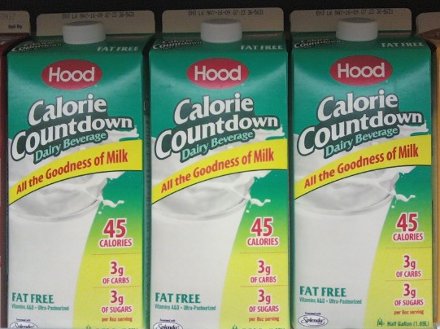
basically its milk with a majority of the lactose removed, then with sucralose as sweetener to make it taste right. 35 calories a cup for 6g protein isn't bad at all, makes nice shakes.
[TABLE="class: nutritInfo, width: 100%"]
[TR="class: bottom"]
[TD]Calories 35[/TD]
[TD]Calories from Fat 0[/TD]
[/TR]
[/TABLE]
[TABLE="class: nutritInfo, width: 100%"]
[TR]
[TD="colspan: 2, align: right"]% Daily Values[/TD]
[/TR]
[TR]
[TD]Total Fat 0g[/TD]
[TD="align: right"] 1%[/TD]
[/TR]
[TR]
[TD] Saturated Fat 0g[/TD]
[TD="align: right"] 1%[/TD]
[/TR]
[TR]
[TD] Trans Fat 0g[/TD]
[TD] [/TD]
[/TR]
[TR]
[TD]Cholesterol 5mg[/TD]
[TD="align: right"] 2%[/TD]
[/TR]
[TR]
[TD]Sodium 180mg[/TD]
[TD="align: right"] 8%[/TD]
[/TR]
[TR]
[TD]Total Carbohydrate 4g[/TD]
[TD="align: right"] 1%[/TD]
[/TR]
[TR]
[TD]Fiber <1g[/TD]
[TD="align: right"] 4%[/TD]
[/TR]
[TR]
[TD]Sugar 3g[/TD]
[TD] [/TD]
[/TR]
[TR="class: bottom"]
[TD]Protein 6g[/TD]
[TD="align: right"] 11%[/TD]
[/TR]
[/TABLE]
Invalid Link Removed
basically its milk with a majority of the lactose removed, then with sucralose as sweetener to make it taste right. 35 calories a cup for 6g protein isn't bad at all, makes nice shakes.
[TABLE="class: nutritInfo, width: 100%"]
[TR="class: bottom"]
[TD]Calories 35[/TD]
[TD]Calories from Fat 0[/TD]
[/TR]
[/TABLE]
[TABLE="class: nutritInfo, width: 100%"]
[TR]
[TD="colspan: 2, align: right"]% Daily Values[/TD]
[/TR]
[TR]
[TD]Total Fat 0g[/TD]
[TD="align: right"] 1%[/TD]
[/TR]
[TR]
[TD] Saturated Fat 0g[/TD]
[TD="align: right"] 1%[/TD]
[/TR]
[TR]
[TD] Trans Fat 0g[/TD]
[TD] [/TD]
[/TR]
[TR]
[TD]Cholesterol 5mg[/TD]
[TD="align: right"] 2%[/TD]
[/TR]
[TR]
[TD]Sodium 180mg[/TD]
[TD="align: right"] 8%[/TD]
[/TR]
[TR]
[TD]Total Carbohydrate 4g[/TD]
[TD="align: right"] 1%[/TD]
[/TR]
[TR]
[TD]Fiber <1g[/TD]
[TD="align: right"] 4%[/TD]
[/TR]
[TR]
[TD]Sugar 3g[/TD]
[TD] [/TD]
[/TR]
[TR="class: bottom"]
[TD]Protein 6g[/TD]
[TD="align: right"] 11%[/TD]
[/TR]
[/TABLE]

JudoJosh
Pro Virili Parte
I'd suggest anyone who has dairy allergy type issues to try this
Invalid Link Removed
View attachment 51996
basically its milk with a majority of the lactose removed, then with sucralose as sweetener to make it taste right. 35 calories a cup for 6g protein isn't bad at all, makes nice shakes.
There is a difference between having a milk allergy and being lactose intolerant. Milk allergies are a reaction to the proteins in milk (whey and/or casein) while lactose intolerance is the inability to metabolize the sugar in milk (lactose)
If someone is allergic to milk (whey and/or casein) then a milk product with the lactose removed will still trigger a allergic reaction.
EasyEJL
Never enough
There is a difference between having a milk allergy and being lactose intolerant. Milk allergies are a reaction to the proteins in milk (whey and/or casein) while lactose intolerance is the inability to metabolize the sugar in milk (lactose)
If someone is allergic to milk (whey and/or casein) then a milk product with the lactose removed will still trigger a allergic reaction.
true, probably should have used different wording. Although my feeling is that light lactose intolerance is more common than the protein allergies, both do affect people.
JudoJosh
Pro Virili Parte
They are often confused so I was just clarifying
I would agree lactose intolerance is way more common than milk allergies but I also think many people do have milk allergies and just arent aware of it. I have drank milk my entire life and it wasn't till my son was born that I realized I was allergic to casein. Soon as I cut milk out of my diet completely my eczema and heart burn/reflux problems went away completely. Since then I reintroduced whey in and have been fine. So I figured it was the casein and I had a casein shake and acid reflux returned. Odd thing is I can have greek yogurt, cottage cheese and small amounts of cheese without any problems.
I would agree lactose intolerance is way more common than milk allergies but I also think many people do have milk allergies and just arent aware of it. I have drank milk my entire life and it wasn't till my son was born that I realized I was allergic to casein. Soon as I cut milk out of my diet completely my eczema and heart burn/reflux problems went away completely. Since then I reintroduced whey in and have been fine. So I figured it was the casein and I had a casein shake and acid reflux returned. Odd thing is I can have greek yogurt, cottage cheese and small amounts of cheese without any problems.